


Description
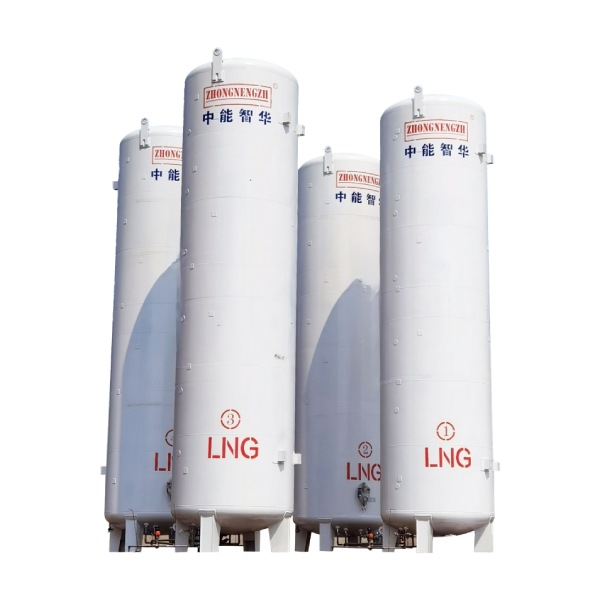
Liquefied Natural Gas (LNG) is a clean-burning, odourless, colourless, and non-corrosive fuel created by cooling natural gas to approximately -162°C (-260°F) at atmospheric pressure.
This cryogenic process reduces its volume by about 600 times, making it highly efficient for storage and long-distance transport, particularly where pipeline infrastructure is not feasible.
Composed primarily of methane (CH₄), LNG may also contain small amounts of ethane, propane, butane, nitrogen, and other hydrocarbons.
LNG is considered one of the cleanest fossil fuels, with significantly lower carbon dioxide (CO₂), sulphur oxide (SOx), nitrogen oxide (NOx), and particulate emissions compared to coal or oil.
Key Specifications
Composition
- Methane Content (CH₄): 85% – 98%
- Ethane + Higher Hydrocarbons: 1% – 15%
- Nitrogen (N₂): ≤ 1%
Physical Properties
- Density (LNG @ -162°C): ~430–470 kg/m³
- Boiling Point: ~ -162°C
- State: Cryogenic Liquid
- Colour / Odor: Colourless, odourless
- Flash Point: Not applicable (non-flammable in liquid state)
Energy Values
- Gross Calorific Value (GCV): ~48–55 MJ/kg (or ~1,000–1,200 BTU/SCF)
- Wobbe Index: 48–57 MJ/m³
Note: Specifications vary slightly depending on the gas field, processing method, and market destination.
Key Features & Benefits
- High energy density in compact liquid form
- Environmentally friendly – low CO₂ and negligible SOx/NOx emissions
- Flexible transport via LNG carriers, trucks, or ISO containers
- Supports energy transition toward cleaner fuels
- Ideal for off-grid, remote, and maritime fuel applications
- Readily re-gasified for pipeline injection or power generation
Applications
Power & Industry
- Power Generation – Base load or peaking power plants (LNG-to-power)
- Industrial Use – Fuel for boilers, furnaces, and process heat
Transportation
- Transportation Fuel – LNG-powered trucks, ships (bunkering), and buses
- Residential & Commercial – Heating and cooking (after regasification)
Energy Supply
- Trading & Export – Global energy commodity shipped via LNG tankers
- Peak Shaving / Storage – Strategic energy reserves for grid support
Packaging & Delivery
Available In
- Bulk via LNG carriers (Q-Flex, Q-Max, etc.)
- ISO Cryogenic Tanks (typically 20–40 ft, 40,000–80,000 Liters)
- LNG Road Tankers for domestic or cross-border delivery
Logistics
- Delivery Terms: FOB and CIF (as per supply contract)
- Loading Ports: Major LNG export terminals worldwide (e.g. Ras Laffan, Sabine Pass, Bintulu, Yamal, etc.)
- Storage: Requires insulated cryogenic tanks with vapor recovery systems
- Handling Requirements: Cryogenic PPE, safety training, proper pressure/venting systems
Safety & Handling
- Cryogenic hazard: Direct contact causes severe cold burns or frostbite
- LNG vapor (methane): Highly flammable in gaseous form
- Requires special materials: Tanks and pipelines must be rated for cryogenic service
- Vapor dispersion: Risk of gas cloud formation in event of leak, follow all safety protocols
- Emergency procedures: Must comply with international LNG safety standards (e.g. NFPA 59A, ISO 16924)
- Refer to Material Safety Data Sheet (MSDS) for complete safety guidance.
Compliance & Certifications
Standards
- ISO 6976
- ISO 16923/24
- ASTM D1945
- EN 1160
Quality Testing
- Full compositional analysis by GC (Gas Chromatography)
Certifications on Delivery
- Certificate of Quality (COQ)
- Certificate of Quantity
- Bill of Lading
- LNG Custody Transfer Report
- SGS/Intertek/BV Inspection (as applicable)
Environmental Impact
- Up to 30% lower CO₂ emissions than fuel oil and 45% less than coal
- Virtually no SOx or particulate emissions
- Ideal for replacing diesel/gasoline in transportation and power sectors
- Compatible with future hydrogen and biogas blends
Conclusion
Liquefied Natural Gas (LNG) is a strategic energy resource driving the global transition toward cleaner, more sustainable fuel sources.
Its versatility, high energy density, and reduced environmental footprint make LNG the fuel of choice across power generation, industry, transport, and residential sectors.
Whether you’re supplying a national grid, fuelling a fleet, or investing in LNG infrastructure, this product offers a secure, efficient, and scalable energy solution for the future.
Reviews
There are no reviews yet.