

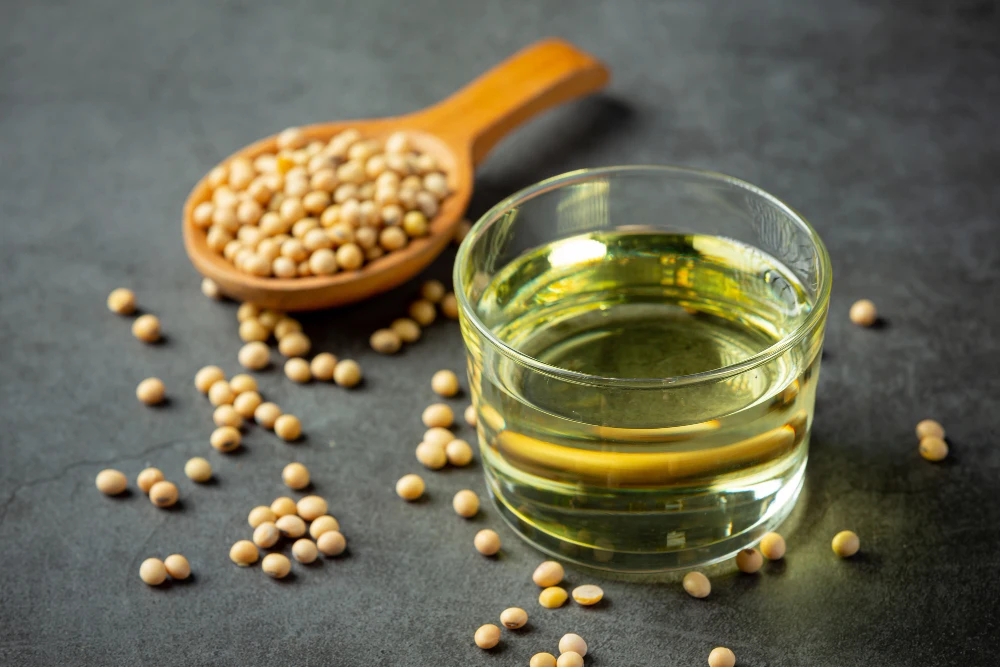
Few agricultural commodities carry as much economic weight as rapeseed and soybeans. Together, they form the backbone of the global vegetable oil and animal feed industries, feeding into supply chains that stretch from farm cooperatives to multinational food and agriculture companies. For buyers, understanding what drives demand for these two crops is key to sourcing them effectively.
Rapeseed: Europe’s Leading Oilseed Crop
Rapeseed — the source of canola oil once processed for low erucic acid content — is one of the most widely cultivated oilseeds, particularly across Europe and Canada. It’s valued for its favorable fatty acid profile, making it a preferred choice for cooking oils marketed as heart-healthy. Beyond the kitchen, rapeseed oil is a major feedstock for biodiesel production, giving the crop dual relevance in both food and renewable energy markets.
The seed’s byproduct, rapeseed meal, is also a significant protein source in livestock feed, meaning very little of the crop goes to waste in commercial processing.
Soybeans: The World’s Most Traded Oilseed
Soybeans hold a unique position in global agriculture — they are simultaneously one of the largest sources of vegetable protein and one of the most widely traded edible oils. Soybean meal, extracted after oil pressing, is the primary protein component in poultry, swine, and cattle feed worldwide, driving much of the crop’s massive trade volume.
On the food side, soybean oil is a staple ingredient in packaged foods, frying applications, and increasingly in plant-based protein products, as demand for soy-based meat and dairy alternatives continues to expand across global markets.
Why Buyers Rely on Both Crops
Rapeseed and soybeans complement each other in the market rather than compete directly — one leans toward premium cooking oil and biodiesel applications, the other toward high-volume feed and food processing. Together, they give buyers flexibility depending on whether the priority is oil quality, protein content, or overall cost efficiency.
Reach out to our team for current availability, grading specifications, and shipping options for rapeseed and soybean supply.